

Sales Tax Calculator
Use our sales tax calculator to quickly estimate the sales tax for your transactions. Enter the purchase amount and location to see the tax breakdown and total cost in seconds.

Your estimated sales tax
This calculator is provided for general information and illustration purposes only. Please verify all results with a licensed contractor, as actual project requirements may vary.

What is Sales Tax?
Sales tax is a consumption tax added to the price of goods and services at the point of sale. It is collected by businesses on behalf of state or local governments and then remitted to the authorities. Sales tax is a major source of revenue for public services, including schools, roads, and emergency services. Different states and localities set their own rates, rules, and exemptions, making it essential for businesses to understand the requirements in their area.
History of Sales Tax
Sales tax was first introduced in the United States in the 1930s to help states generate revenue during economic challenges. Over the decades, most states have developed their own sales tax systems, and many local governments add additional taxes on top of the state rate. Some states exempt certain goods or services, such as groceries, medicine, or clothing. Understanding the history and development of sales tax helps businesses navigate the complex rules and remain compliant.
How to calculate Sales Tax
Calculating sales tax is straightforward: multiply the price of the item or service by the applicable tax rate.
•Formula: Sales Tax = Price × Tax Rate
•To find the total cost including tax: Total = Price + Sales Tax
•For reverse calculations, if you only know the total price, you can subtract the tax portion to find the pre-tax amount.
Using a sales tax calculator simplifies this process, especially for businesses that sell items in multiple states or regions with different tax rates.
Examples / Sample calculations
•Example 1: A $100 item with a 7.25% sales tax → Tax = $7.25, Total = $107.25
•Example 2: A $50 service with a 5% sales tax → Tax = $2.50, Total = $52.50
•Example 3: Reverse calculation: If the total paid was $107.25 and the tax rate is 7.25%, the pre-tax price is $100 and tax is $7.25
These examples show how simple calculations can save time, reduce errors, and ensure accurate pricing for both businesses and customers.
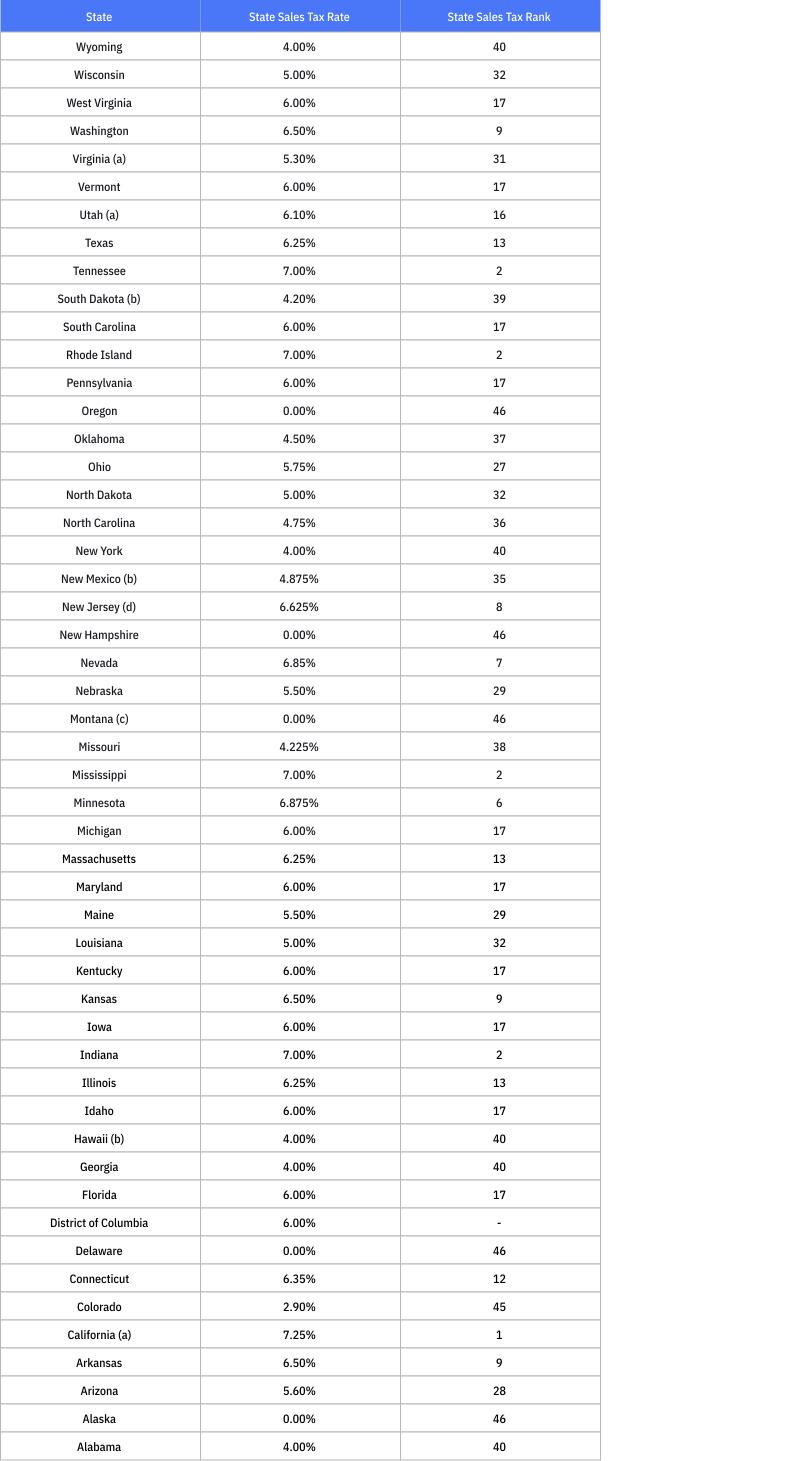
Sales Tax Rate by state
Tax vs VAT / Sales Tax vs Use Tax
Sales Tax: Charged at the point of sale and added to the final price paid by the customer. It is common in the United States.
Value-Added Tax (VAT): Collected at each stage of production or distribution, commonly used outside the US. Use Tax: Applied when sales tax was not collected at purchase, often for out-of-state or online purchases.
Understanding these differences is important for businesses operating in multiple regions or internationally to ensure correct tax handling.
Tips for small businesses
Always include the correct sales tax on invoices, receipts, and quotes to avoid errors and compliance issues.
Stay up-to-date with local and state tax rates, as they can change annually or at other intervals.
Keep detailed records of all sales and taxes collected for audits or financial review.
Know which products or services may be exempt from tax or eligible for refunds.
Consider using automated tools or sales tax calculators to streamline billing and reduce manual errors.
Educate your staff on how to handle sales tax to ensure consistent practices across your business.
How often do I need to file Sales Tax?
The filing frequency depends on the state and the size of your business. Large businesses with high sales volumes often file monthly, while smaller businesses may file quarterly or annually. Some states may have different rules depending on the type of goods or services sold. Always check your state or local tax authority’s guidelines to ensure you file on time and avoid penalties. Timely filing also helps businesses maintain accurate financial records.
How do I file Sales Tax?
To file sales tax, report the total taxable sales and the amount of tax collected to your state or local tax authority. Most states offer online filing portals, though some allow paper forms. Filing requires accurate records of all transactions, including invoices, receipts, and any exemptions claimed. Businesses should also maintain copies of all filings for future reference or audits. Using accounting software or sales tax calculators can make the process faster, more accurate, and less stressful.
Other Free Resources
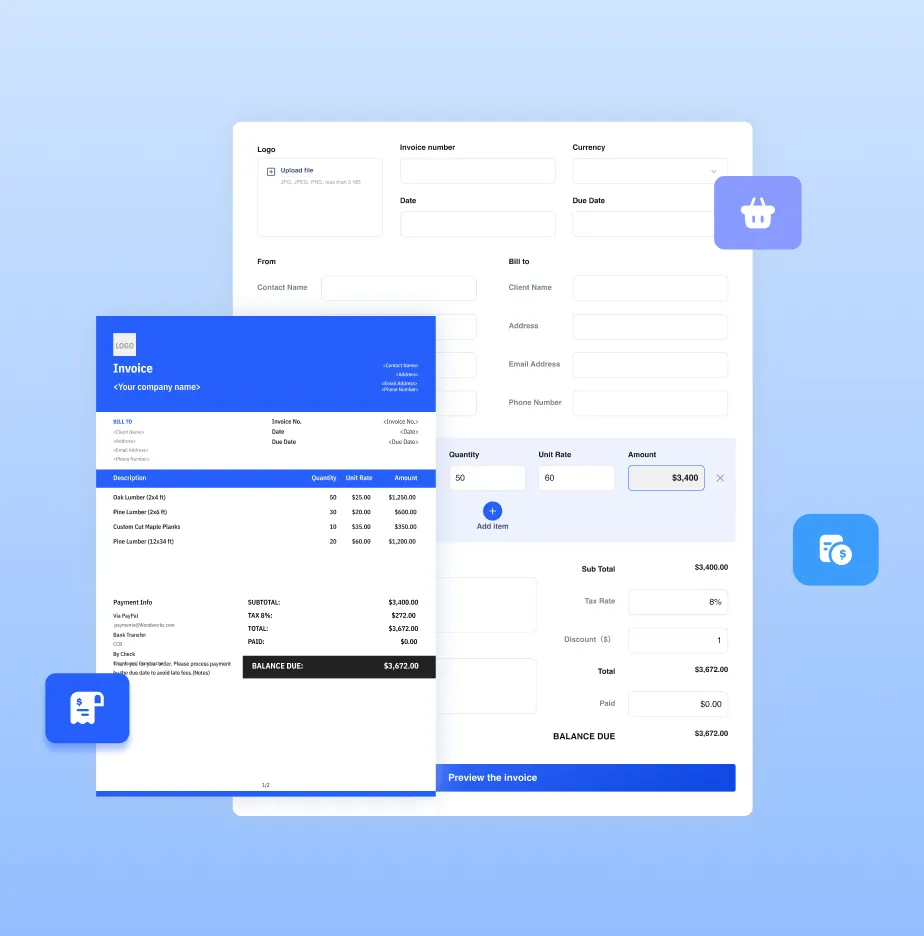
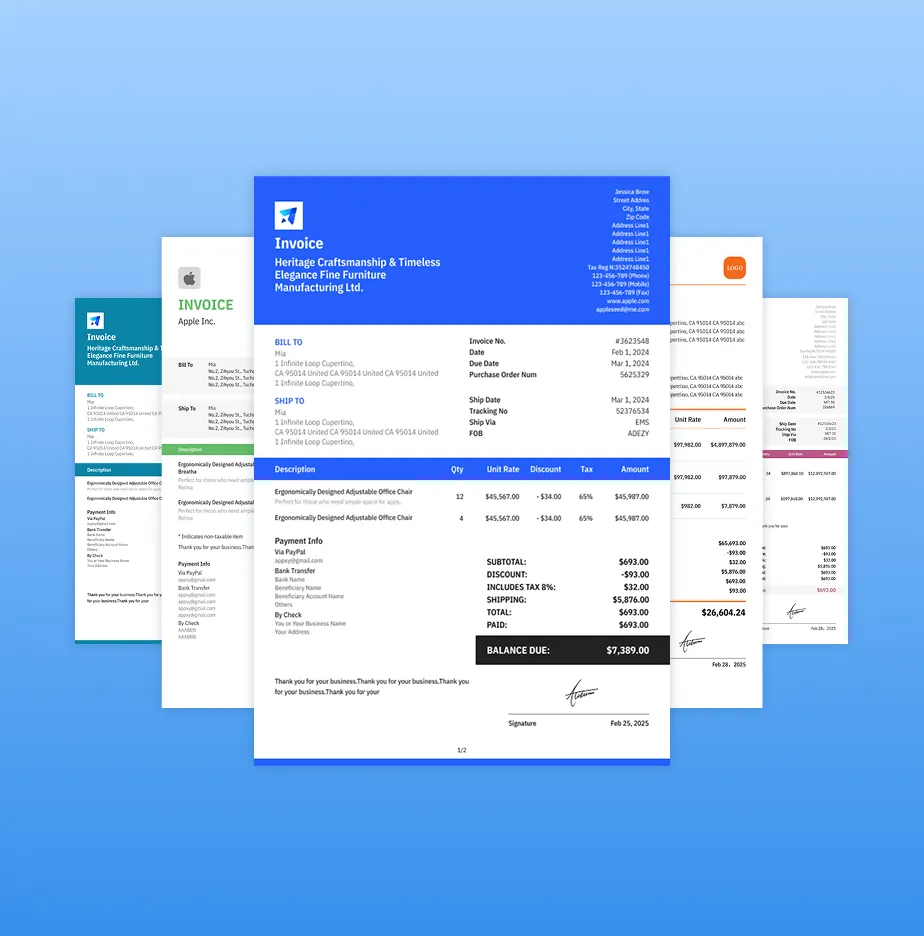

Try Invoice Zip Today
Start Sending Invoices, Building Reports, Saving Office
Time and Get Paid Faster.